Tips for Fixing Overworked Watercolour Paper

How do I know a piece of art is overworked?
-
Is the surface of the paper damaged? Watercolour paper is made up of fibre and if the fibre is starting to looked a little careworn and you see tiny fibres being lifted, it’s time to set down that brush and take a step back.
-
Does the section of painting looks a little too much and doesn’t fit into the rest of the painting?
-
Do the colours seem kind of muddy or too thick or intense in a certain spot as compared to the rest of the painting?
-
When you can’t stop fussing over the painting because you believe it will be perfect with “just a little bit more’ but end up ruining the entire piece.
Chances are if you say yes to 1 of 4 points above, your art is overworked and you need to STOP.
How to prevent overworking?
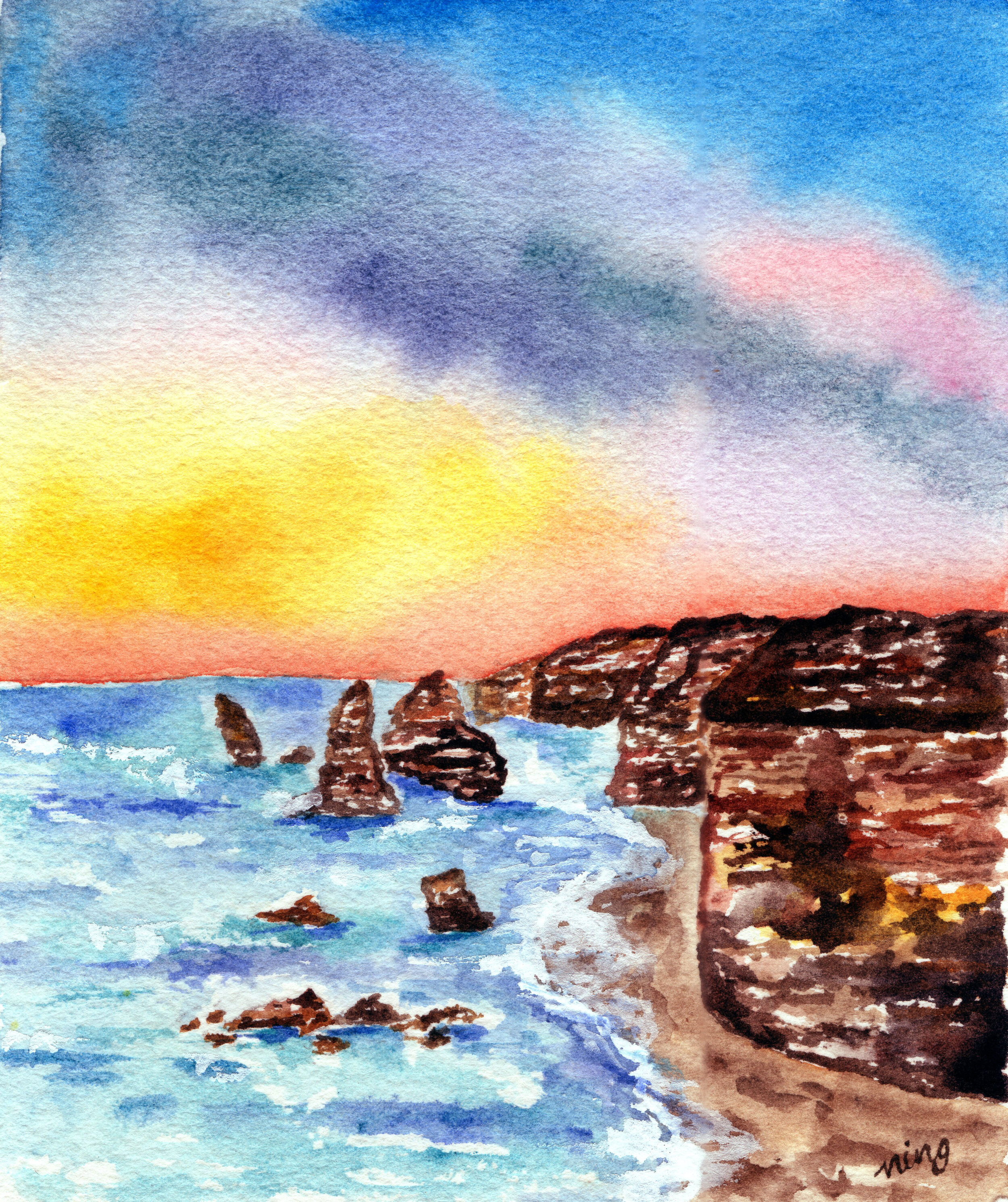
- Once you have made a stroke, you need to leave it alone. If you keep fiddling and pushing it, you are messing with the natural flow of the watercolour. Watercolours need space and time to flow, that’s the beauty of it, so if you keep sticking your brush back into the same spot and disrupting the flow, you’ll end up with an overworked piece of art.
- If you’re going over a section that’s dried, that technique is called glazing and if well done, it’s a beautiful technique to use but as usual there is a limit to how many layers you can do before you overwork the paper and end up with too many muddy layers. The point of glazing is to let the transparency of the layers shine through, so if you pile on too many layers then that kinda defeats the purpose.
- Make it a habit to walk away. Often, working on an art piece close up has blinded us to how the entire piece look like, and we end up fiddling or obsessing over a tiny thing. But once we walk away and look at the art from a distance, the art looks entirely different. I usually complete a piece of painting in 3 stages - which gives me the opportunity to view the art in the 1/3 completed stage and sit with that feeling for a while to process how I feel about it before proceeding to the next stage. This is important because it gives you much needed perspective and prevents overworking.
Oops, I accidentally made a mistake, is there a way to save it without overworking or discarding everything?
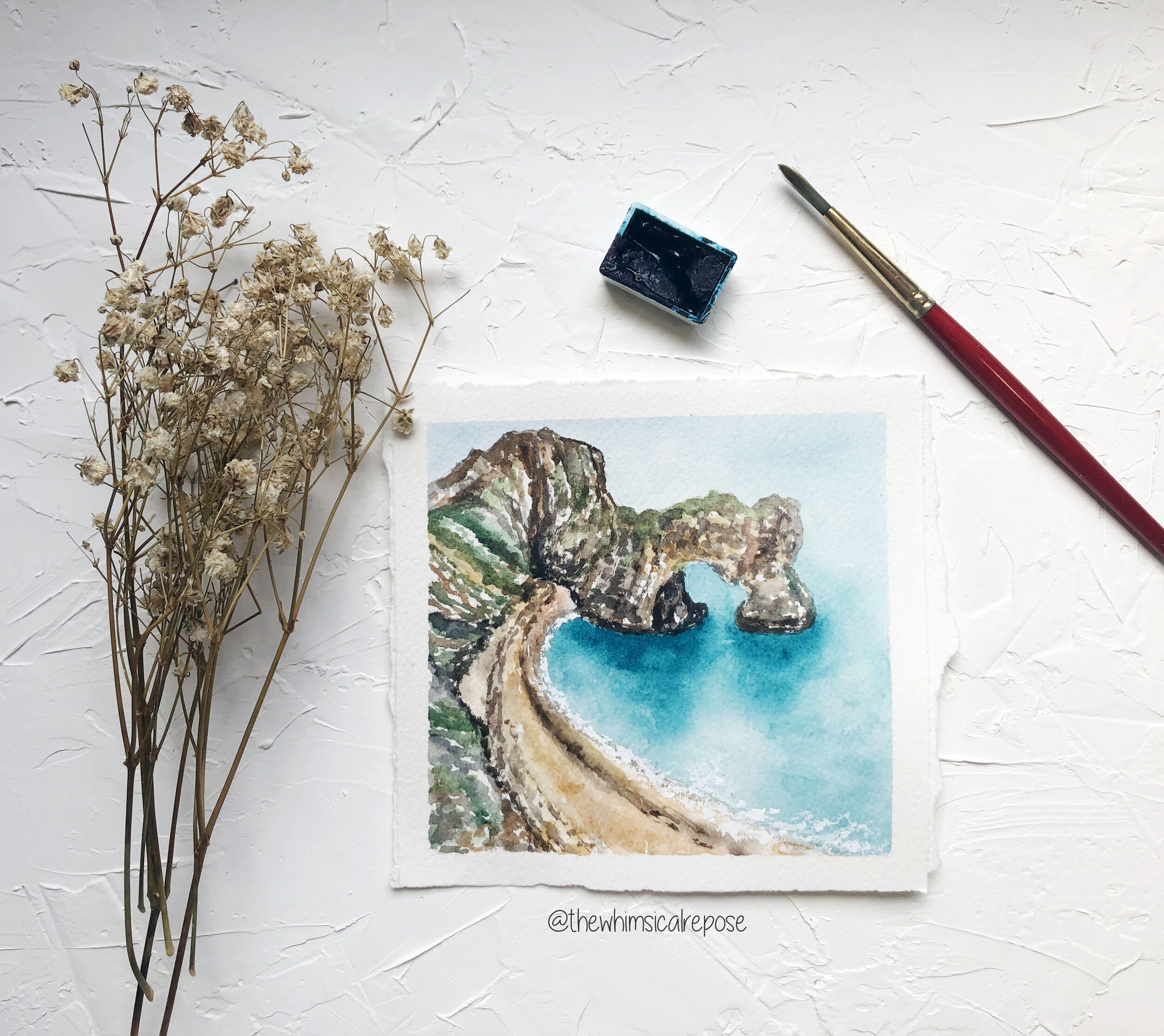
It has happened to the best of us, we were too heavy handed and we made a little stroke that we didn’t like. Is there a way to undo the mistake without painting over it to fix the mistake forcefully/unnaturally? Fortunately, there are some ways that one can try before declaring time of death on the art piece.
- Watercolour is water soluble, hence you can get rid of any unwanted marks by using a damp, clean brush to scrub lightly on the paper. The paint will lift off, so you will rinse your brush and repeat gently until the spot is removed. Allow the paper to dry before you attempt to paint over the area.
- Another method you can try is to use a penknife to lightly scrape at the unwanted paint mark until the topmost fibres are lifted and clean paper is revealed underneath.
- If the mistake is not too obvious and the colour is light, and you are going to paint over the entire section with a darker colour anyway, then it’s perfectly fine to leave it alone because no one can even tell you made mistake there in the first place!
- If circumstances allow for the piece of work to be edited digitally, then you opt to clone a good section of the artwork OVER the section with mistakes so that you need not waste a perfectly good piece of art.
And there you have it, feel free to comment or share with me some of the methods you favor or if you found these tips useful.